Dental Care for Infants: A Guide for Parents
As a parent, one of the most important things you can do for your child’s overall health is to ensure proper Dental care from the very beginning. While it might seem too early to think about Dental health when your baby is still teething, establishing good oral hygiene habits early on sets the foundation for a lifetime of healthy smiles. This blog will guide you through the essential steps to take care of your infant's Dental health.
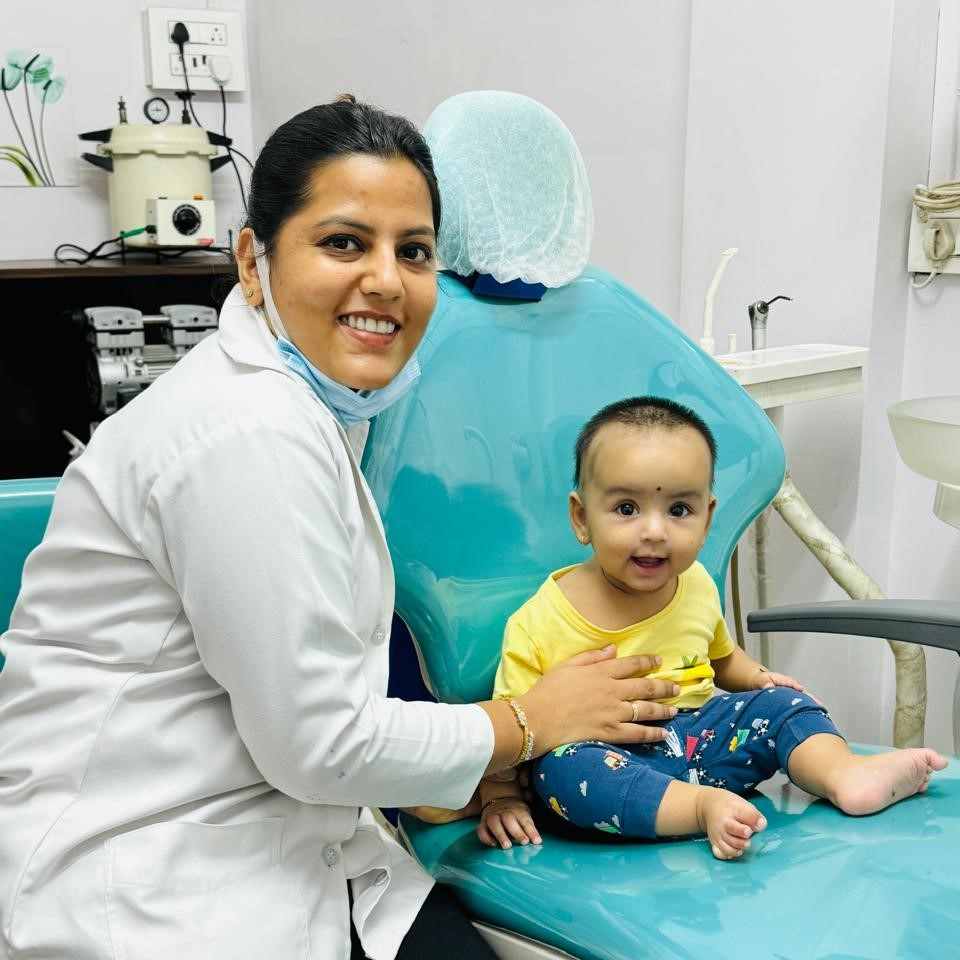
#1. Start Early: The Importance of Infant Dental Care.
Even before your baby’s first tooth appears, their gums need care. Wipe their gums with a clean, damp cloth after feeding to remove any milk residue. This simple habit helps prevent bacteria buildup and prepares your baby for the routine of brushing once their teeth start to come in.
#2. Teething: What to Expect and How to Soothe.
Teething usually begins around six months of age but can start earlier or later. During this time, your baby may experience discomfort, drooling, and a tendency to chew on objects. To soothe their gums, you can gently massage them with a clean finger or offer a cold teething ring. Avoid using over-the-counter teething gels unless recommended by your dentist, as some contain ingredients that might not be safe for your infant.
#3. The First Tooth: When and How to Start Brushing
As soon as the first tooth erupts, it’s time to begin brushing. Use a small, soft-bristled toothbrush designed for infants and a smear of fluoride toothpaste—about the size of a grain of rice. Gently brush twice a day, especially before bedtime. Be sure to replace the toothbrush regularly, or sooner if the bristles become worn or frayed.
#4. The Role of Diet in Dental Health
Your baby’s diet plays a significant role in their Dental health. If you are bottle-feeding, avoid letting your baby fall asleep with a bottle in their mouth, as prolonged exposure to milk or juice can lead to tooth decay, known as "baby bottle tooth decay." Once your baby begins eating solid foods, offer a balanced diet rich in fruits, vegetables, and whole grains while minimizing sugary snacks and drinks.
#5. When to Visit the Dentist
It’s recommended to schedule your baby’s first Dental visit by their first birthday or within six months after their first tooth appears. This initial visit allows the dentist to check for any early signs of Dental issues, provide guidance on proper oral care, and help your baby become comfortable with the dentist’s office environment. Regular check-ups, ideally every six months, are crucial to maintaining your child’s Dental health as they grow.
#6. Caring for Primary Teeth
Primary (baby) teeth are just as important as permanent teeth. They help your child chew, speak, and hold space in the jaw for the permanent teeth growing under the gums. Even though these teeth will eventually fall out, they need proper care to prevent decay and other Dental problems that can affect permanent teeth.
#7. Tips for Making Dental Care Fun
Making Dental care enjoyable can help your child develop a positive attitude toward oral hygiene. Sing songs while brushing, use a colorful toothbrush, or let your child pick out their own toothbrush with their favorite cartoon character. As they grow older, consider using a sticker chart to reward consistent brushing and flossing.
#8. The Role of Fluoride
Fluoride is essential in strengthening tooth enamel and preventing decay. Your child can receive fluoride from toothpaste, drinking water, and Dental treatments. Discuss with your dentist whether your child needs additional fluoride supplements, especially if your water supply is not fluoridated.
#9. What to Watch For: Signs of Dental Problems
Keep an eye out for any early signs of Dental issues such as white or brown spots on the teeth, which could indicate the beginning of tooth decay. If you notice your baby is experiencing discomfort when feeding or touching their gums, consult your dentist for advice.
#10. Lead by Example
Children often imitate their parents, so be a role model by practicing good oral hygiene yourself. Brush and floss your teeth regularly, and make Dental care a family activity to instill healthy habits from a young age.
Conclusion
Caring for your infant's Dental health is an investment in their future well-being. By starting early and maintaining consistent Dental care practices, you’ll help ensure your child has a healthy, beautiful smile that lasts a lifetime. Remember, when in doubt, consult with your dentist for personalized advice and guidance tailored to your baby’s needs.
Ensuring proper Dental care for your infant will help them grow up with strong, healthy teeth and a positive attitude toward oral hygiene, setting the stage for a lifetime of smiles.

Dr. Suman
For parents in Bhayander, Dr. Suman at THE TOOTH CORNER is an excellent choice for your child’s Dental care, offering gentle and precise treatment from the very first visit.