Teeth Whitening/Bleaching
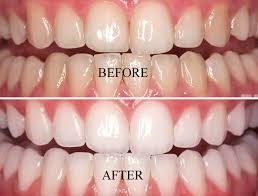
Tooth bleaching is the most common procedure in cosmetic dentistry. Bleaching of teeth is one of the most conservative and cost-effective Dental Treatment for discoloured teeth than aggressive methods like veneering, crowning or bonding to enhance an individual smile.
Currently, bleaching agents which are used are based primarily on either hydrogen peroxide or carbamide peroxide. The peroxide oxidizing agent penetrates the porosities in the rod-like crystal structure of enamel and breaks down the stain.
Teeth can turn yellow or become discoloured for a number of different reasons. Though age is a significant reason - smoking, certain foods, coffee, tea, antibiotics,etc, can also cause teeth to turn yellow. However, bleaching is a great way to turn stained and yellow teeth into sparkling white gnashers again.
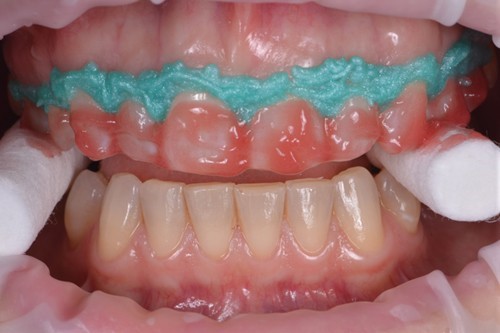
Teeth Bleaching: Keeping Teeth White
Teeth bleaching is a part of cosmetic surgery and a process wherein the dentist will brighten the colour of your teeth by removing traces of discolouration.
There are two ways to undergo tooth bleaching - home bleaching and in-clinic bleaching (In-office bleaching).
In general, both techniques have been shown to be effective, although, the results may vary depending on such factors as the type of stains, age of the patient, the concentration of bleaching agent, treatment time and frequency.
In-office bleaching contains from 15% to 43% peroxide and at-home bleaching contains from 3% to 20% peroxide.
In-Office Tooth Whitening
Teeth whitening is done by a Dental professional. The bleaching agent is much stronger than home bleaching. Light, heat or a combination of two may be used to intensify the whitening process. Bleaching can be done in approx 30 min to 1 hr in a single visit.
Example – Zoom bleaching [most widely used bleaching process which uses the zoom advanced power chairside lamp to accelerate the bleaching process].
At-Home Teeth Bleaching Options
With suitable techniques and products, teeth bleaching can be easily done at home. Some bleaching options include:
- Whitening strips and gels
- Tray-based tooth bleaching system
- Tooth whitening toothpaste
Side Effects Of Teeth Whitening
Most people do not have any side effects of teeth whitening. However, some people may encounter some side effects like:
Sensitivity
This is a common issue and usually occurs in patients with weak enamel. Sometimes improper application of the whitening can also lead to sensitivity. To avoid this issue, get teeth whitening done at a clinic by an experienced doctor.
Gum irritation
When whitening teeth, the gum needs to be isolated. If this is not done, it will lead to irritation.
Contraindication
- Allergy to peroxide
- Pregnant or lactating women
- Sensitive teeth
- Gingival Recession {receding gums}
- Children under the age of 16
- Caries and defective Dental filling. Tooth-coloured fillings, crowns, and veneers do get whitened.
Frequently Asked Questions
- Is bleaching good for teeth?
Bleaching is an effective option; however, some people may experience side effects. - How long does bleaching last on teeth?
It depends from person to person. Usually, bleaching lasts between a few months to a few years. - Does bleaching damage your teeth?
Though bleaching is relatively safe, there are some side effects associated with it. - What is the safest way to whiten teeth?
Whitening strips, gels and tray-based tooth bleaching systems are safe ways to bleach teeth. - Can yellow teeth become white?
Bleaching can make yellow teeth white. - What are the pros and cons of teeth whitening?
Pros of Teeth Whitening
1. Improve your confidence
2. Enhance appearance
3. If performed by a doctor, the results will be instant
Cons of Teeth Whitening 1. Tooth Sensitivity
2. Tooth whitening is not permanent