Kids Dentistry
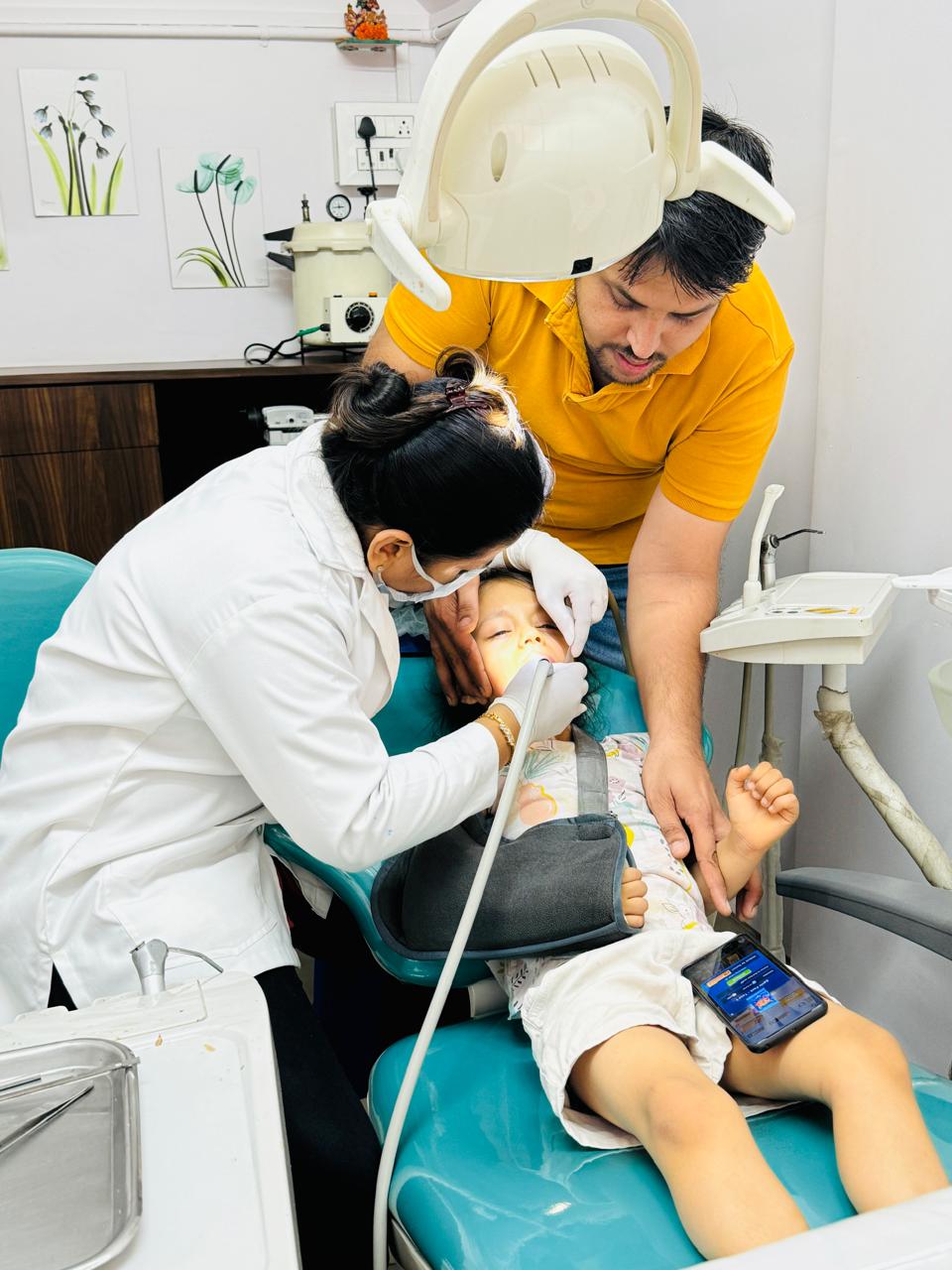
What is Pulpectomy?
Pulpectomy is one of the most common procedures done in the primary dentition i.e the deciduous teeth or the milk teeth. It is a common treatment for teeth that have been severely damaged by decay or trauma. Pulpectomy is a Dental procedure that involves the removal of the pulp tissue from the inside of a tooth. The pulp is the soft tissue found in the centre of a tooth that contains blood vessels, nerves, and connective tissue. When the pulp becomes inflamed or infected, it can cause severe pain and lead to serious Dental problems
When should you go for your Kid's Pulpectomy?
A Pulpectomy for Kids is recommended when a baby tooth has extensive decay or damage that has affected the pulp, the innermost layer of the tooth. It is typically recommended for children who are experiencing pain or swelling and may also be recommended for baby teeth with a history of recurrent infections.
Signs that your Kid need Pulpectomy
Severe tooth pain
If your child is complaining of severe tooth pain that is not relieved by over-the-counter pain medications, it may be a sign that their tooth pulp is inflamed or infected.
Swelling or redness in the gums
In some cases, an infected tooth can cause swelling or redness in the gums surrounding the affected tooth.
Sensitivity to hot or cold foods and drinks
If your child is experiencing sensitivity to hot or cold foods and drinks, it may be a sign that their tooth pulp is inflamed or infected.
Darkening of the tooth
If your child's tooth has become discoloured or has developed a dark spot, it may be a sign that the tooth pulp is damaged or dying.
Procedure for Pulpectomy
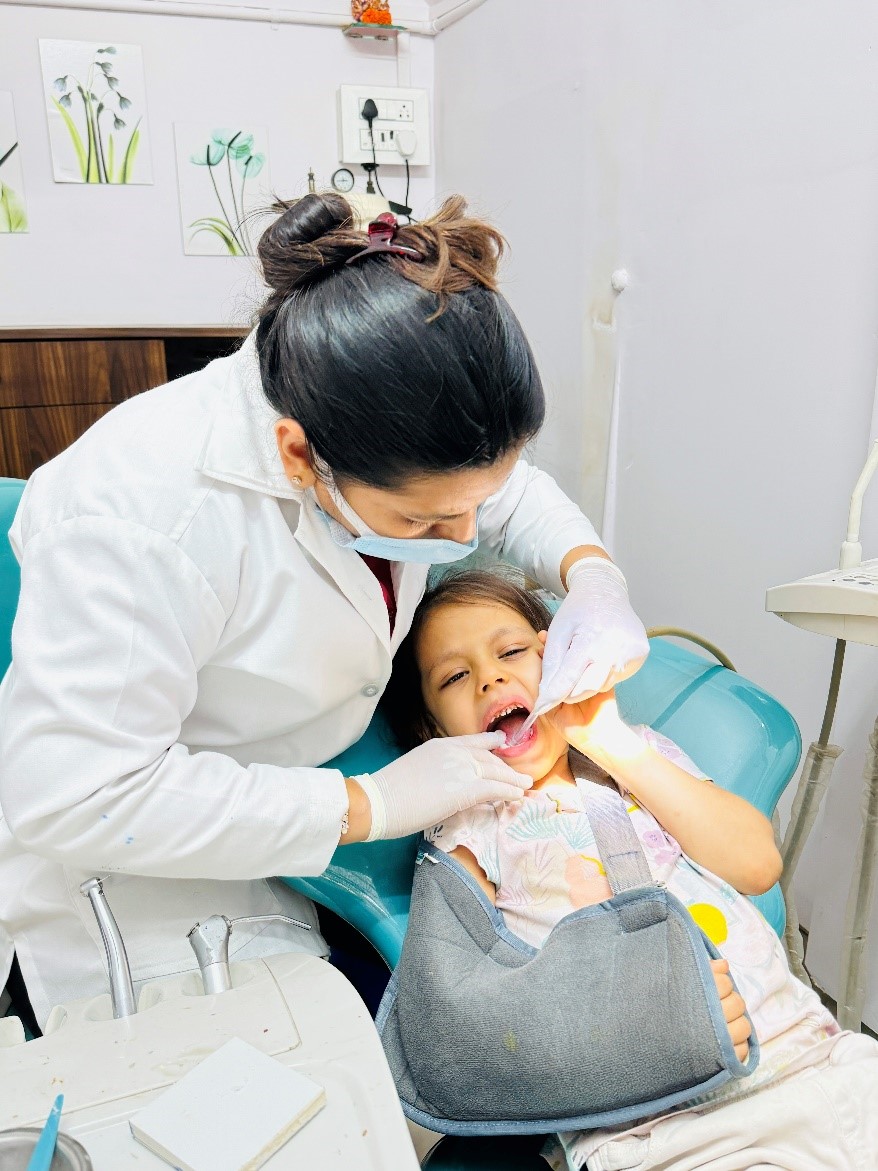
The procedure is typically performed on baby teeth or permanent teeth that have not yet fully developed. Here are the steps involved in a Pulpectomy procedure:
- Anaesthesia: The dentist will first administer local Anaesthesia to numb the affected area.
- Access: Once the area is numb, the dentist will make a small hole in the top of the tooth to access the pulp tissue.
- Removal of Pulp: The dentist will use specialised tools to carefully remove all of the pulp tissue from inside the tooth. This process may take several minutes and involve cleaning the root canals.
- Cleaning and Disinfection: Once the pulp tissue has been removed, the dentist will clean and disinfect the inside of the tooth to remove any remaining bacteria.
- Filling: The tooth will then be filled with a material called gutta-percha, which helps to seal the tooth and prevent further infection.
- Crown or Filling: In some cases, a crown or other type of restoration may be needed to restore the tooth's function and appearance.
What are the precautions to be be taken after Pulpectomy?
- Avoid eating and drinking for the first 20 minutes.
- If your child had local anaesthetic to numb the tooth they will need to be careful not to bite their lip or tongue until the numbness has worn off.
- On the day of treatment it is best to stick to softer foods that don’t require a lot of chewing and avoid very hot food and drinks.
- Your child should avoid biting heavily on the tooth until it is restored with a crown, as it may be brittle and prone to fracture.
- The teeth should be brushed normally.
Commonly Asked Questions about Baby Root canal Treatment.
Can a normal filling be done instead of Root Canal?
It is possible to place a filling in cases where the decay is only affecting the first two layers of the tooth – the enamel and the dentine.
Once there is an infection within the nerve of the tooth this needs to be dealt with properly. If this is not done the nerve will eventually die and an abscess can occur when the infection spreads outside the tooth. Apart from causing severe pain, Dental abscesses can cause fever and other health problems. As adult teeth develop close to the roots of baby teeth untreated infection can spread to and affect the normal development of the permanent teeth.
It’s just a baby tooth, anyways it is going to fall?
Although they are lost early in life, primary teeth, also called baby teeth or milk teeth, are essential in the development and placement of the permanent teeth.
Baby teeth maintain the spaces for permanent teeth to erupt into. If baby teeth are lost too early other teeth may tilt into or take up the vacant space, forcing permanent teeth to come in crooked.
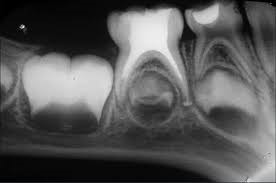
If the baby tooth is getting close to being pushed out by the adult tooth that replaces it, a Pulpectomy may not be advised. This can be judged by looking at an x-ray of the teeth. In this case the baby tooth can be left to fall out naturally or, if there is spreading infection, may need to be extracted.