Dental Filling
Dental Filling (Teeth Filling): An Overview
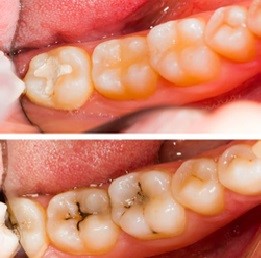
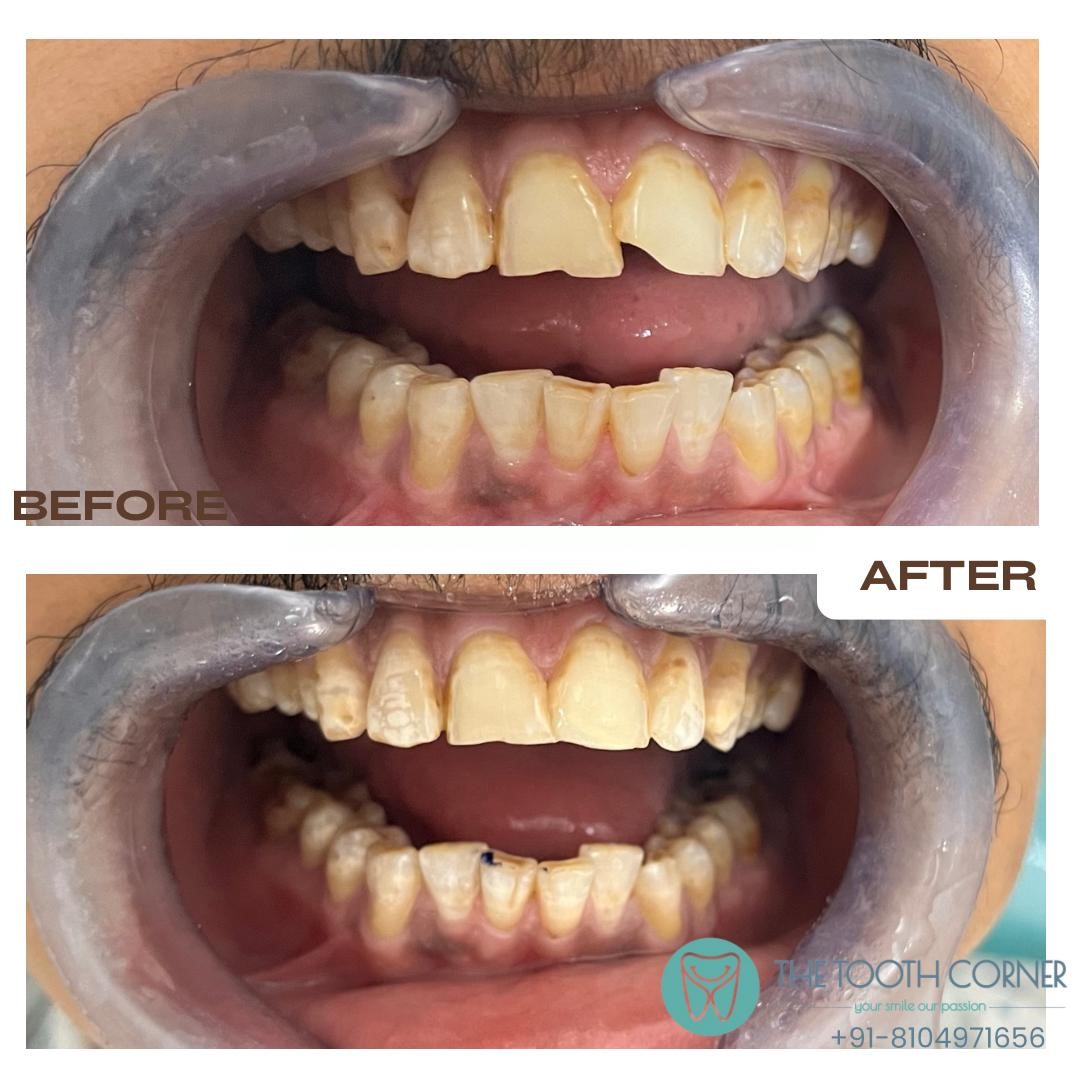
Dental fillings are used to restore missing tooth structure due to decay or trauma. Decay causes cavities, making the tooth hollow. Dental fillings fill these gaps and protect the tooth from further decay. They can also repair broken or cracked teeth and those worn down by habits like teeth grinding or nail biting.
When Do You Need a Dental Filling?
You might need a Dental filling if you experience any of the following symptoms:
- A hole in your tooth
- Dark spots on the tooth
- Food getting stuck in certain areas
- Chipped or broken tooth
- Sensitivity to hot and cold foods or beverages
- One or multiple cavities
The Dental Filling Procedure
Dental fillings are typically required for decayed teeth to prevent further damage. Here is an outline of the procedure:
- Assessment: The dentist examines the severity of the decay, often using X-rays.
- Anesthesia: Local anesthesia is administered to numb the area around the affected tooth.
- Preparation: The decayed or damaged portion of the tooth is removed using a Dental handpiece or laser.
- Filling Application: The cavity is filled with a suitable material based on the case.
- Polishing: The finished tooth is polished to complete the procedure.
Consequences of Ignoring a Dental Filling
Ignoring a Dental filling can lead to serious issues. Untreated decay will continue to erode the enamel, exposing the dentin and causing infection. This results in sensitivity and can eventually damage the tooth's nerve, necessitating a root canal treatment. The infection can also spread to adjacent teeth.
Cost of Dental Fillings in India
The cost of Dental fillings varies based on the size, number, and type of filling material. Investing in fillings can prevent the need for more expensive treatments like tooth replacement in the future.
Types of Dental Fillings
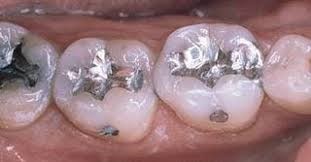
- Amalgam Fillings/ Silver Filling: Made from a mix of metals, known for their strength and durability.
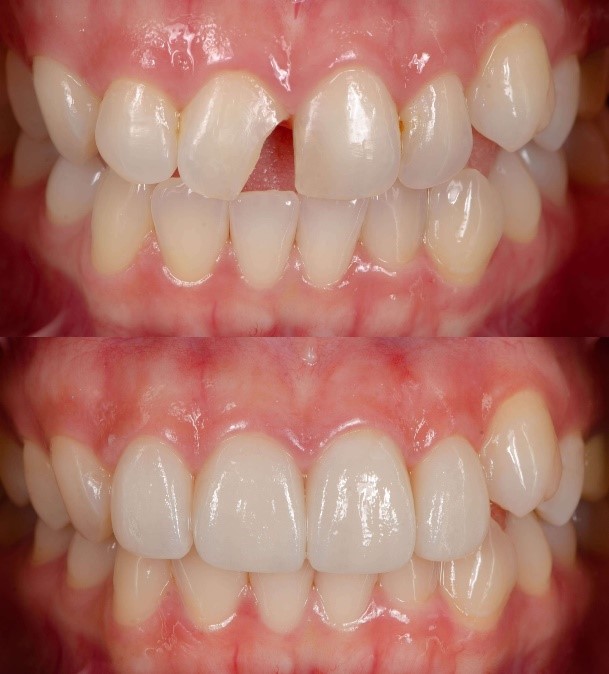
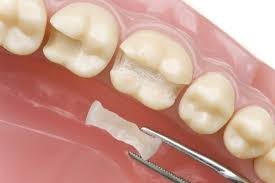
- Composite Fillings: These are of the same color as your teeth. These are preferred if a person does not want their filing to be seen. It is recommended & suitable for front teeth. It bonds well with the tooth structure. It is also used for a chipped tooth, however, does not last long as compared to metal and amalgam filling and can also wear off with time.
- Porcelain/Ceramic Fillings: Ideal for those with aesthetic concerns, covering large decay areas and resisting stains.
Post-Treatment Care
- Wait until the anesthesia wears off before chewing.
- Avoid extremely hot or cold foods while numb.
- Expect minor soreness around the gums for a few days.
- Avoid hard or sticky foods temporarily.
- Use a mouthguard if you grind your teeth.
- Visit your dentist if you experience prolonged sensitivity or if the filling falls out.
- Maintain good oral hygiene with regular brushing, flossing, and mouthwash.
Frequently Asked Questions
- How Long Do Dental Fillings Last?
The lifespan of a Dental filling varies from 5 to 10 years, depending on the material and care. - Can Dental Fillings Fall Out?
Yes, If you eat anything sticky or there is a progression of caries below the filling. - What Should You Do if a Filling Falls Out?
Visit your dentist immediately as you may experience increased sensitivity. - How to Know if a Filling is Loose?
Persistent sensitivity, pressure while eating, or a constant toothache may indicate a loose filling. - What if it pains after doing a filing?
Pain after a doing a fillings means the Caries/ Decay was deep in or above the pulp chamber. The filling has to be followed by a Root Canal Procedure