Wisdom Teeth Removal
Wisdom Teeth Removal Overview
Wisdom teeth, also known as third molars, typically emerge between the ages of 17 and 25. While some individuals experience no issues with their wisdom teeth, others may face various complications that necessitate their removal. Here’s an overview of wisdom teeth removal, including the reasons for extraction, the procedure, and post-operative care.
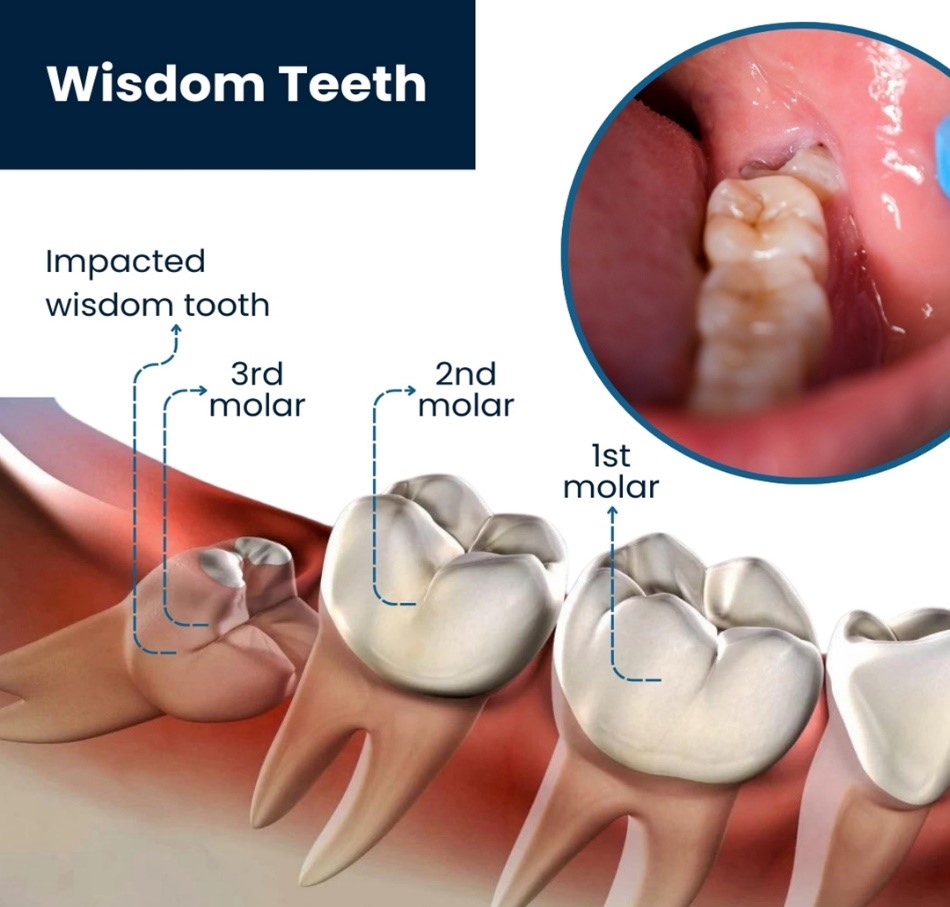
Reasons for Wisdom Teeth Removal
- Impaction: Wisdom teeth often become impacted, meaning they don't have enough space to emerge or grow properly. This can lead to pain, infection, and damage to adjacent teeth.
- Crowding: When there isn't enough room in the jaw for wisdom teeth to erupt correctly, they can push other teeth out of alignment, causing crowding and potentially undoing orthodontic work.
- Decay and Gum Disease: Due to their position at the back of the mouth, wisdom teeth can be hard to clean properly. This can lead to tooth decay and gum disease, which might spread to other teeth.
- Cysts and Tumors: Although rare, impacted wisdom teeth can develop cysts or tumors, which can damage the jawbone and surrounding tissues.
The Procedure:
Wisdom teeth removal is a common outpatient procedure performed by a dentist or oral surgeon. Here's what to expect:
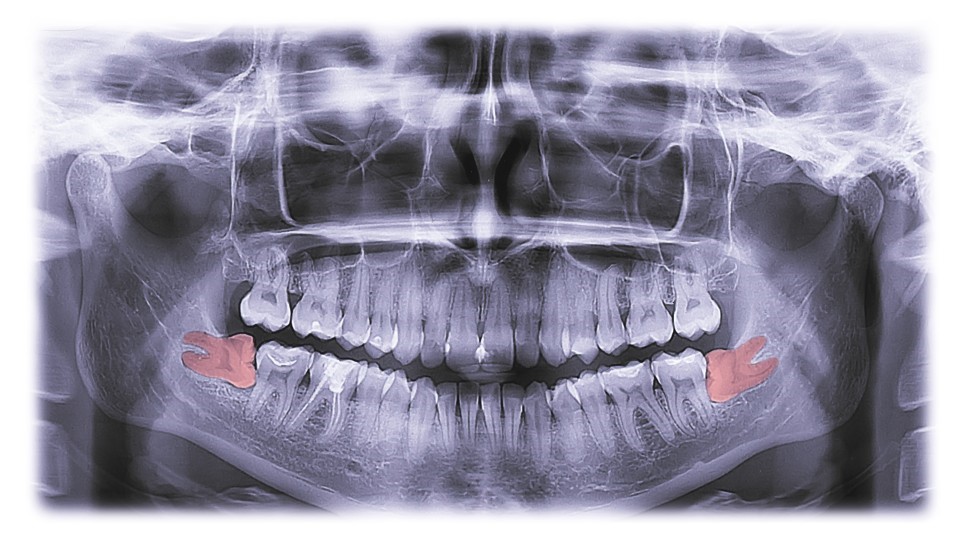
- Consultation and Examination: The process begins with a thorough examination, including X-rays, to assess the position of the wisdom teeth and plan the extraction.
- Anesthesia: The type of anesthesia used—local, sedation, or general—depends on the complexity of the extraction and the patient's comfort level.
- Extraction: The dentist or oral surgeon makes an incision in the gum to expose the tooth and bone. The tooth may be divided into sections to facilitate easier removal. Once the tooth is removed, the site is cleaned, and stitches may be used to close the wound.
- Recovery: Patients typically rest in a recovery room immediately after the procedure, monitored until they are ready to go home.
Post-Operative Care
Proper care after wisdom teeth removal is crucial to ensure healing and prevent complications:
- Managing Pain and Swelling: Pain and swelling can be managed with prescribed painkillers, ice packs, and over-the-counter medications.
- Diet and Hydration: Patients should consume soft foods and plenty of fluids, avoiding hot, spicy, or crunchy foods that might irritate the extraction site.
- Oral Hygiene: Gentle rinsing with saltwater and careful brushing can help keep the mouth clean without disturbing the surgical site.
- Activity Restrictions: Patients are advised to avoid strenuous activities, smoking, and drinking through straws to prevent dislodging the blood clot, which can lead to a painful condition known as dry socket.
- Follow-Up: A follow-up visit may be necessary to remove stitches and ensure proper healing.
Potential Complications
While wisdom teeth removal is generally safe, potential complications include:
- Infection: Symptoms such as fever, severe pain, and swelling indicate infection and require prompt medical attention.
- Dry Socket: If the blood clot at the extraction site is dislodged, it can expose bone and nerves, causing significant pain.
- Nerve Damage: In rare cases, removal can cause temporary or permanent numbness in the tongue, lip, or chin due to nerve damage.
Conclusion
Wisdom teeth removal is a routine Dental procedure that addresses various oral health issues. By understanding the reasons for extraction, the procedure itself, and the necessary post-operative care, patients can ensure a smoother recovery and maintain their oral health. If you have concerns about your wisdom teeth, consult THE TOOTH CORNER to determine the best course of action.